
House clearance for homes across Yeovil, Somerset
Yeovil is a major market town in South Somerset, with a mix of town-centre housing, established residential streets and homes extending into surrounding neighbourhoods. This variety means a house clearance can involve very different requirements depending on the property and the belongings inside it.
A town-centre flat may contain bulky furniture that needs to be carried down stairs or through shared entrances. A terraced house might have limited space for loading near the front door, while a larger family home could need several rooms cleared before it can be sold, let or occupied by new residents.
House Clearance Yeovil is intended for people who need practical help with these residential situations, whether the job involves a modest number of items or the contents of an entire property.
We can discuss clearance requirements for homes in areas such as:
- Yeovil town centre: flats, older properties and homes close to the central shopping streets.
- Penn Hill and the surrounding residential streets: family homes, accumulated household belongings and partial clearances.
- Stiby Road and nearby residential areas: clearances associated with moving, renovating or preparing a property for sale.
- The wider Yeovil area: subject to confirmation of the property address and service availability.
The precise work required depends on the contents, property layout and access arrangements, rather than the postcode alone.
Common reasons for arranging a house clearance include moving to a smaller home, preparing a property for sale, dealing with a relative's estate, clearing a rental property after a tenancy or making space following a major change in circumstances.
Whatever the reason, it helps to establish which items must stay, which should be removed and whether any belongings need to be put aside for family members before clearance begins.
Why Choose Us
A house clearance should be organised around the home and the people responsible for it. The aim is to remove agreed belongings without creating unnecessary complications or leaving uncertainty about what has been taken away.
A clear scope of work
Before the clearance, identify the rooms, furniture and other contents included in the quotation. If certain cupboards, personal papers, photographs or pieces of furniture must remain untouched, point these out in advance.
A service suited to the size of the job
Not every property needs an empty-house clearance. You might only need a spare bedroom emptied, selected furniture removed from a flat or the contents of a property cleared before it changes hands. A partial house clearance can be more appropriate when the home will continue to be occupied.
Consideration during difficult circumstances
Bereavement and probate clearances can involve decisions that are emotionally difficult as well as practical. Taking time to identify keepsakes, documents and belongings wanted by relatives can help make the process more manageable.
Practical planning for bulky belongings
Large wardrobes, beds, sofas, tables and appliances can be difficult to move through narrow doorways or staircases. The property layout should be considered when agreeing what can be removed and how the work will be carried out.
A clear understanding of costs
The quotation should explain the agreed work, any assumptions about access, any additional charges that could apply and what happens if the contents differ from those described.
Responsible decisions about unwanted contents
Some belongings may be suitable for reuse or donation; others may be recyclable or require disposal through an appropriate waste route. The correct approach depends on the item's condition, material and any applicable restrictions.
House Clearance Services
Full house clearance in Yeovil
A full house clearance is suitable when most or all of the agreed contents need to be removed from a property. This can include furniture, household items, bedroom contents, kitchen equipment and belongings stored in accessible cupboards or other agreed areas.
Full clearances are often arranged before a property is marketed for sale, handed over to a new owner, prepared for renovation or returned to a landlord. The precise meaning of a full clearance should be agreed in advance: fitted items, fixtures, loft contents, sheds and garages are not automatically included unless specified.
Partial house clearance
A partial house clearance focuses on selected items, rooms or areas of a home. You may want to remove an old sofa, clear a spare bedroom, reduce the amount of furniture in a living room or create space for a family member returning home.
This option allows you to retain belongings that are still useful or personally important while removing items that are no longer required.
Flat clearance
Flat clearance can involve furniture, appliances and household contents from apartments, maisonettes and other smaller residential properties. Shared entrances, lifts, stairs, parking restrictions and building management rules may affect how the work needs to be arranged.
Tell us about any access restrictions when requesting your quotation so that the proposed work can be assessed realistically.
Probate house clearance
Probate house clearance may be required when an executor or authorised representative is dealing with a deceased person's estate. The timing can depend on legal, financial and family arrangements, so the clearance should be planned around the instructions of the person with authority to arrange it.
Important documents, valuables, photographs and sentimental possessions should be identified before removal. Where required, the clearance can be delayed until the appropriate permissions and decisions are in place.
Bereavement house clearance
Clearing a home after a bereavement can be a personal and sometimes overwhelming task. You may need time to decide what should be kept, distributed among relatives, offered for reuse or removed.
We can discuss the work in a straightforward and considerate way, with a clear list of the areas and items included. There is no need to treat every possession as an ordinary discarded item; personal belongings can be separated for review before clearance.
Landlord and end-of-tenancy house clearance
When a tenant leaves belongings behind, the landlord or property manager may need to establish what can lawfully be removed and what steps must be taken before arranging clearance.
A quotation can be prepared for the agreed residential contents once authority to remove them has been established. Items should not be cleared automatically just because a tenancy has ended: applicable legal obligations and any necessary notices or permissions must first be considered.
Downsizing and moving-home clearances
Moving to a smaller property often means making difficult choices about furniture and belongings that will not fit into the new home. A partial or full clearance can help reduce the amount that needs to be retained before moving day.
You can identify items for family members to collect, belongings to keep and furniture that can be considered for reuse or appropriate disposal.
What We Can and Cannot Clear
Household items that may be included
Subject to inspection, access and the agreed quotation, a residential house clearance can include:
- Sofas, armchairs, tables, chairs and other ordinary furniture.
- Beds, mattresses, wardrobes, chests of drawers and bedroom furniture.
- Fridges, freezers, washing machines and other domestic appliances, subject to condition and handling requirements.
- Crockery, kitchen utensils, pots, pans and ordinary household equipment.
- Books, ornaments, decorations and general household belongings.
- Clothing, shoes, bedding and other domestic textiles.
- Toys, games and ordinary personal possessions.
- Items stored in accessible cupboards or rooms that are expressly included in the clearance.
- Selected contents from garages, sheds or lofts, if access and the scope of work have been agreed.
The condition of an item, its weight, dimensions and the practicalities of moving it may affect whether it can be accepted.
Items requiring separate assessment or specialist arrangements
Not every item is suitable for an ordinary house clearance. Tell us in advance if the property contains:
- Asbestos or suspected asbestos-containing materials.
- Chemicals, solvents, pesticides, fuel or other hazardous substances.
- Gas cylinders, pressurised containers or potentially explosive materials.
- Clinical waste, sharps or contaminated materials.
- Unidentified liquids, powders or substances that could be hazardous.
- Certain electrical equipment, refrigerants or appliances requiring specialist handling.
- Large quantities of building rubble, construction waste or fixed building materials.
- Heavy safes, unusually large machinery or other items requiring specialist lifting equipment.
- Firearms, ammunition or other regulated items.
- Items that may be valuable, legally restricted or subject to special collection arrangements.
These items may need a qualified specialist or an appropriate authorised disposal route. Acceptance cannot be assumed until the nature of the item and the necessary arrangements have been checked.
Important: Do not put hazardous materials into ordinary household piles or attempt to move unknown substances just to prepare for a quotation. Explain what you have found so the appropriate next steps can be discussed.
What happens to reusable belongings?
Where practical and appropriate arrangements exist, furniture and household items in suitable condition may be considered for donation, reuse or recycling. Some materials may be recoverable through suitable recycling routes, while damaged, contaminated or unsuitable contents may require disposal.
Reuse is not guaranteed. The final destination depends on the condition of the item, demand, acceptance criteria and available arrangements. Any waste must be handled through the appropriate lawful route.
How It Works
Step 1: Tell us about the property
Contact us by telephone or email and explain where the property is in Yeovil, whether you need a full or partial house clearance and your preferred timescale.
It is helpful to mention the number of rooms, the main furniture items, whether appliances are included and whether there are any unusual or specialist contents.
Step 2: Arrange an assessment and quotation
Provide photographs or arrange a suitable assessment if needed. The quotation should take account of the volume of contents, the work involved, access arrangements and any special handling or disposal requirements.
Make sure the agreed scope is clear before booking, including whether garages, sheds, lofts and outbuildings are included.
Step 3: Identify belongings to keep
Before work starts, set aside important documents, jewellery, photographs, sentimental possessions and anything that must remain in the property. For probate clearances, confirm that the person arranging the work has the necessary authority.
Where multiple relatives or representatives are involved, agree how decisions will be made about disputed or uncertain belongings.
Step 4: Carry out the agreed clearance
The clearance takes place according to the confirmed arrangements. Items are removed from the agreed rooms and areas, taking account of the property's access and any handling requirements.
If unexpected contents or additional work are discovered, these should be discussed before proceeding beyond the agreed scope.
Step 5: Handle the contents appropriately
Following clearance, reusable items may be directed towards donation or reuse where suitable arrangements permit. Appropriate recyclable materials can be separated where practical, and remaining waste should be handled through lawful disposal arrangements.
If the property needs to be left ready for another purpose, agree beforehand what level of completion is expected. A house clearance does not automatically include deep cleaning, repairs or removal of fixed fixtures.
House Clearance Pricing Guide
There is no single price that applies to every house clearance. A small flat with a few furniture items can require considerably less work than a large house filled with belongings across several rooms.
Rather than quoting an invented fixed price, the cost should be based on the actual property and the clearance required.
The main factors are:
- Property size: A one-bedroom flat will usually present a different workload from a large family house, although property size alone does not determine the price.
- Volume of contents: The quantity and type of furniture, appliances, bags, boxes and other belongings affect the amount of handling and transport required.
- Access: Stairs, long carries, narrow doorways, restricted loading areas and the absence of a suitable lift can increase the time involved.
- Labour: The number of people required and the expected duration of the work influence the quotation.
- Special handling: Heavy, awkward, fragile or potentially hazardous items may need additional precautions or specialist arrangements.
- Disposal costs: Some contents may incur disposal or treatment charges, depending on the material and the appropriate route.
- Additional areas: Loft spaces, garages, sheds and outbuildings may add substantially to the work if they contain significant quantities of belongings.
- Timescale: A requested date or unusually short deadline may affect availability and the arrangements that can be offered.
Illustrative examples of different clearance requirements
| Type of clearance | What can affect the quotation |
|---|---|
| Small partial clearance | Number of items, their weight and access |
| One-bedroom flat | Furniture volume, stairs and shared access |
| Two- or three-bedroom house | Number of rooms, appliances and stored belongings |
| Large or heavily furnished property | Total volume, labour and handling requirements |
| Probate or bereavement clearance | Agreed inventory, items to retain and any special instructions |
These are descriptions of different job types, not price estimates or promises of availability.
What should a quotation include?
Ask for a written quotation that identifies the property and areas covered, the work to be carried out, any relevant disposal charges and any conditions that could change the price. Check whether VAT applies, if relevant, and whether the quotation is fixed or subject to a subsequent assessment.
If additional items are discovered on the day, ask for the revised cost to be agreed before authorising extra work.
Local Access Notes
Access is an important part of planning a residential clearance. Yeovil's town centre includes pedestrian-focused streets and areas where vehicle access is restricted or where parking arrangements need careful consideration.
For homes near the High Street, The Borough, Middle Street or The Triangle, do not assume that a clearance vehicle can park directly outside the property. Vehicle restrictions, pedestrian areas and the location of the nearest suitable loading point should be checked before the appointment.
Other practical considerations include:
- Terraced houses: Check the width of hallways, staircases and doorways before arranging removal of large furniture.
- Flats and maisonettes: Confirm whether there is a lift, whether communal areas can be used and whether building management requires advance notice.
- On-street parking: Establish where a vehicle can safely and lawfully stop for loading and unloading without obstructing pedestrians, neighbours or traffic.
- Town-centre access: Allow for the possibility of pedestrian-priority streets, restrictions and a longer carry between the vehicle and the property.
- Larger residential homes: Identify side entrances, driveways, steps or other access features that could affect the handling of bulky items.
- Stored contents: Mention lofts, garages and sheds in advance, especially if access is awkward or the contents are particularly heavy.
Somerset Council publishes information about local parking, including its Market Car Park on South Street and Park Street Car Park. These are public parking facilities, not guarantees of suitable clearance-vehicle access or permission to load from those locations.
Before the appointment, share the full property address and any access instructions. If permits, parking arrangements or permissions are required, establish these in advance.
House Clearance Case Study
Note: The following is an illustrative example, not a completed customer job.
Consider a hypothetical three-bedroom house in Yeovil that needs to be prepared for sale after its occupants have moved elsewhere. The property contains bedroom furniture, a dining table, lounge seating, kitchen equipment, boxes of household belongings and several items stored in a spare room.
The person arranging the clearance wants the main rooms emptied but needs to retain a folder of property documents, family photographs, a small number of ornaments and selected furniture for relatives.
The initial assessment
The first step would be to identify the rooms included in the clearance, estimate the volume of contents and check access for the larger items. Any garage or loft contents would need to be discussed separately if they were not included in the initial scope.
The preparation
The documents, photographs, ornaments and furniture to be retained would be identified and set aside. The person authorising the work would confirm that the removal list is correct before clearance begins.
The clearance
The agreed household contents would then be removed, subject to the confirmed quotation and practical access arrangements. Unexpected items or work outside the original scope would be referred back for approval rather than automatically added.
The outcome sought
The aim would be to leave the agreed rooms cleared of the specified contents so that the owner or authorised representative could move forward with the next stage of the property sale.
This example illustrates a sensible process; it is not evidence of a real customer, a completed job, a particular turnaround time or an actual result delivered by this business.
Before & After Gallery
The following pair is intended to show the type of change a house clearance may achieve. These are illustrative images, not photographs of an actual Yeovil property or verified customer results.
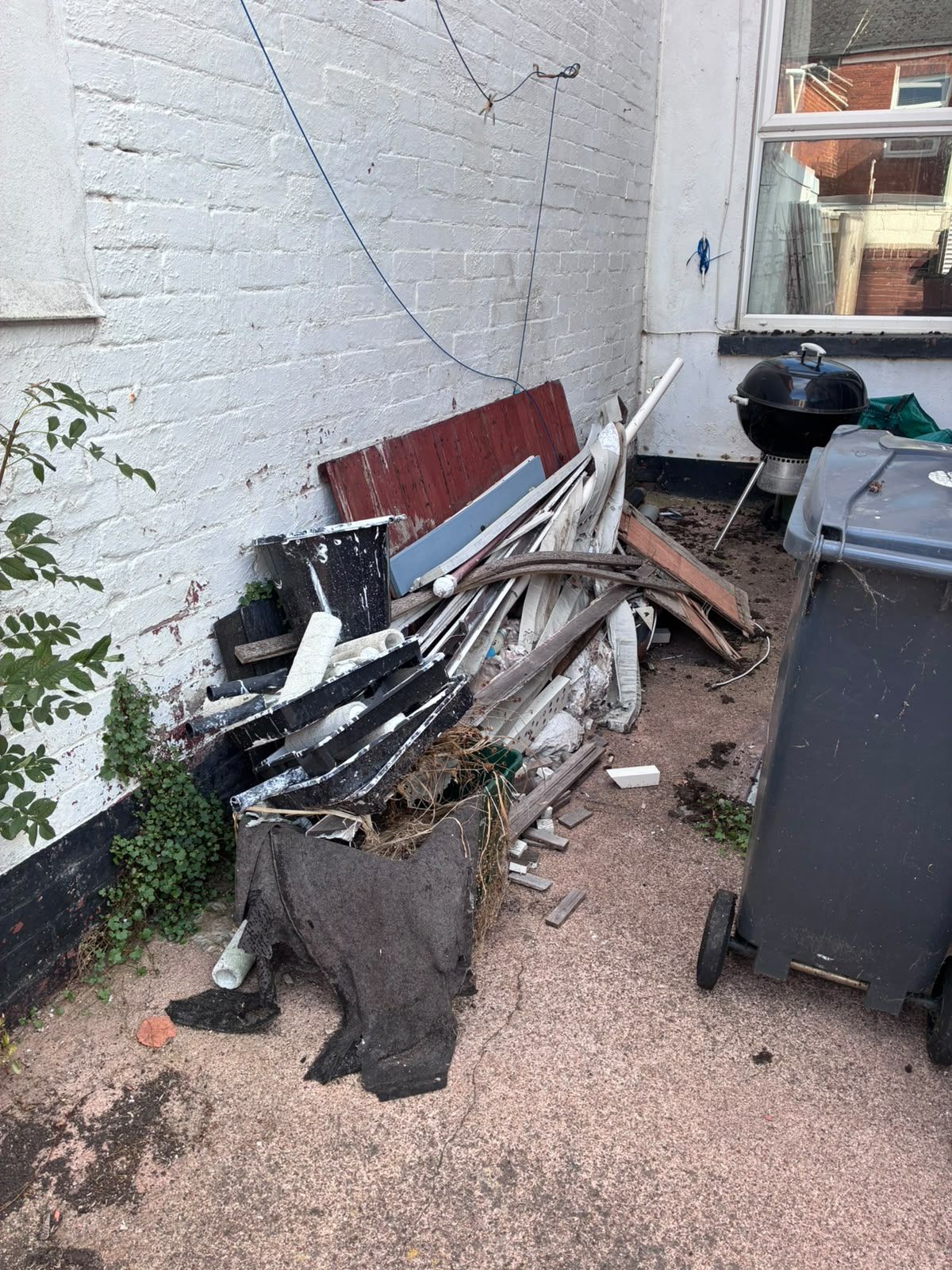
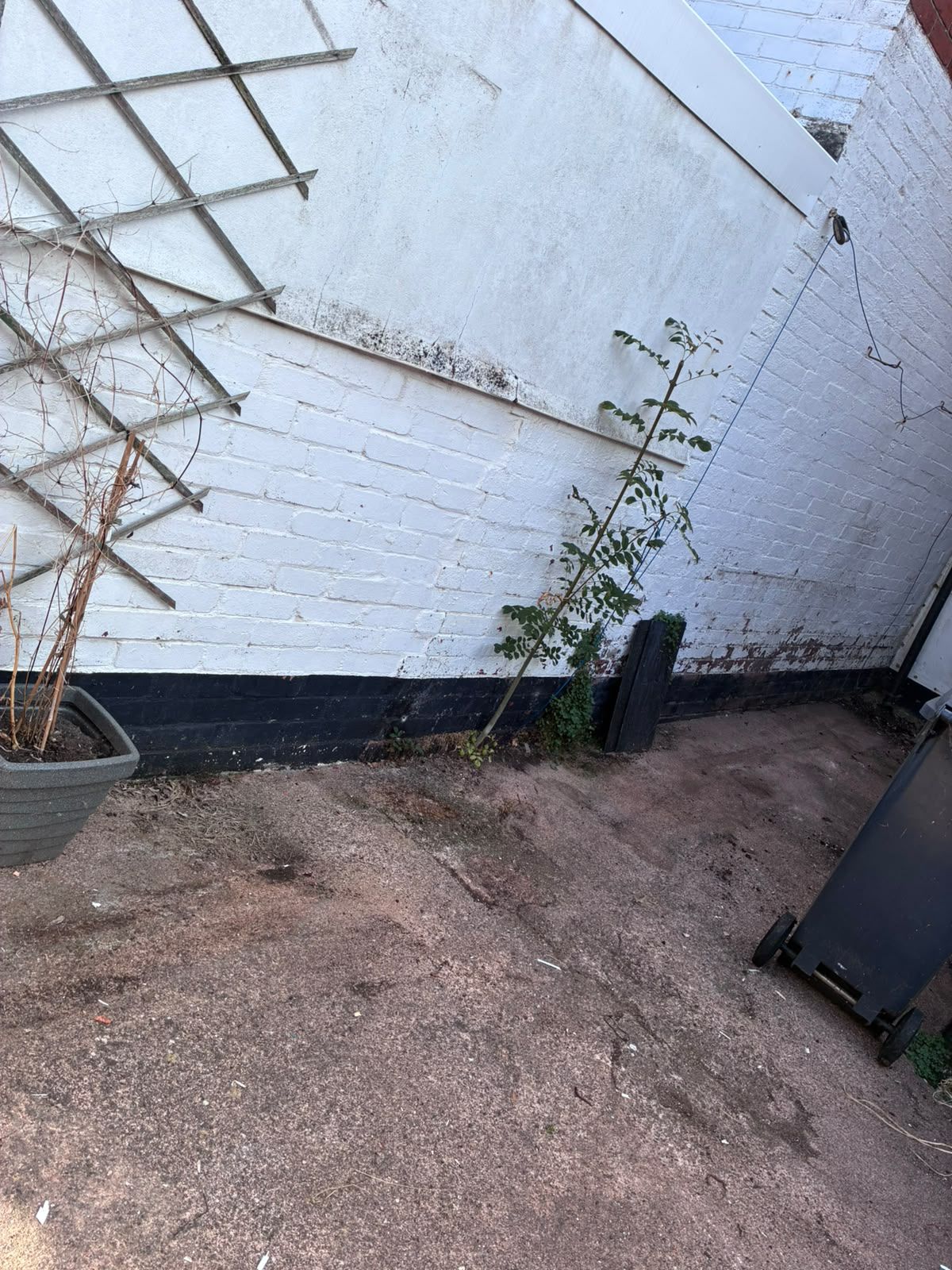
A cleared room can make it easier to inspect a property, arrange decorating or prepare for a move. The actual result will depend on the agreed scope: removing household contents does not necessarily include cleaning, repairs, decorating or making good walls and floors.
Customer Testimonials
Choosing a house clearance company involves trust, especially when the property contains personal belongings or is being cleared after a bereavement.
Genuine customer feedback can help people understand what to expect, including how clearly the work was explained, whether the agreed arrangements were followed and how the team handled the contents.
Customer reviews will be added here when verified reviews are available. No customer names, quotations, star ratings or completed-job claims have been invented for this page.
Frequently Asked Questions
What does a house clearance in Yeovil include?
A house clearance can include the removal of agreed furniture, appliances, clothing, household belongings and other ordinary domestic contents. You can arrange a full house clearance or specify individual rooms and items for a partial clearance. The quotation should state exactly what is included, including whether lofts, garages and sheds form part of the work.
Can you arrange a probate house clearance?
A probate house clearance can be arranged once the person requesting the service has the necessary authority and the scope of work has been agreed. It is sensible to identify legal documents, financial records, valuables and sentimental belongings before anything is removed. The timing can be coordinated around the executor's or authorised representative's requirements.
Can you help with a house clearance after a bereavement?
A bereavement clearance should be approached with sensitivity and clear communication. Family members may need time to identify keepsakes, photographs and personal possessions before the remaining contents are removed. Explain any special instructions when requesting a quotation so that these can be considered in the clearance plan.
Can unwanted furniture be removed?
Ordinary household furniture, including sofas, tables, chairs, beds and wardrobes, may be included in a house clearance, subject to access, condition and the agreed quotation. Mention particularly heavy or oversized pieces in advance, as they may require additional handling or specialist equipment.
What happens to belongings that are still usable?
Items in suitable condition may be considered for donation, reuse or recycling where appropriate arrangements are available. However, acceptance depends on the item's condition and the receiving organisation's requirements. Reuse or donation cannot be guaranteed for every item.
Can you clear a property with difficult access?
Access requirements can be assessed when preparing the quotation. Stairs, narrow doorways, shared entrances, limited parking and long carrying distances may affect the time and resources needed. Describe these conditions beforehand, especially if large furniture or appliances need to be removed.
How much does house clearance in Yeovil cost?
The price depends on the volume and type of contents, property layout, labour, access, handling requirements and applicable disposal charges. A quotation should reflect the actual job rather than rely solely on the number of bedrooms. Contact us with a description of the property and, where useful, photographs to discuss the next step.
How do I book a house clearance?
Call 01935 639086 or email info@yeovilhouseclearance.co.uk with the property location, the type of clearance required and your preferred timescale. You can then discuss the contents, access, quotation and potential appointment arrangements. Availability and booking confirmation should be established directly before making plans that depend on a particular date.
Arrange your house clearance in Yeovil
If you are preparing a property for sale, clearing a flat, managing an estate or making space in your home, the first step is to explain what needs to be cleared.
Contact us with a few details about the property and the work you have in mind. This helps establish whether you need a full house clearance, a partial clearance or a more specific residential clearance service.
What to include in your enquiry
To help us understand the work required, please provide:
- The property location in Yeovil or the surrounding area.
- Whether you need a full house clearance or a partial clearance.
- The number of rooms and the main items to be removed.
- Any access issues, such as stairs, restricted parking or large furniture.
- Whether the clearance relates to a house move, probate, bereavement, tenancy or property sale.
- Your preferred dates and any important deadlines.
You do not need to have every detail decided before making an enquiry. If you are dealing with an estate or an emotional family situation, explain what you can and identify any decisions that still need to be made.
A quotation and appointment can only be confirmed once the requirements, price and availability have been agreed.
Ready to arrange a house clearance in Yeovil?
Clearing a property can feel like a substantial task, whether you are removing a few unwanted items or dealing with the contents of a home that has been occupied for many years.
A clear plan makes it easier to decide what stays, what goes and how the work should be organised. From full house clearance to partial house clearance, flat clearance and sensitive probate arrangements, the first step is to discuss your particular requirements.
Tell us about your property, the contents you need cleared and your preferred timescale. We can discuss the scope of work and the information needed to prepare a quotation.
Call 01935 639086 or email info@yeovilhouseclearance.co.uk to enquire about House Clearance Yeovil.
Practical planning. Clear arrangements. A residential clearance tailored to the property and the people involved.
Call 01935 639086